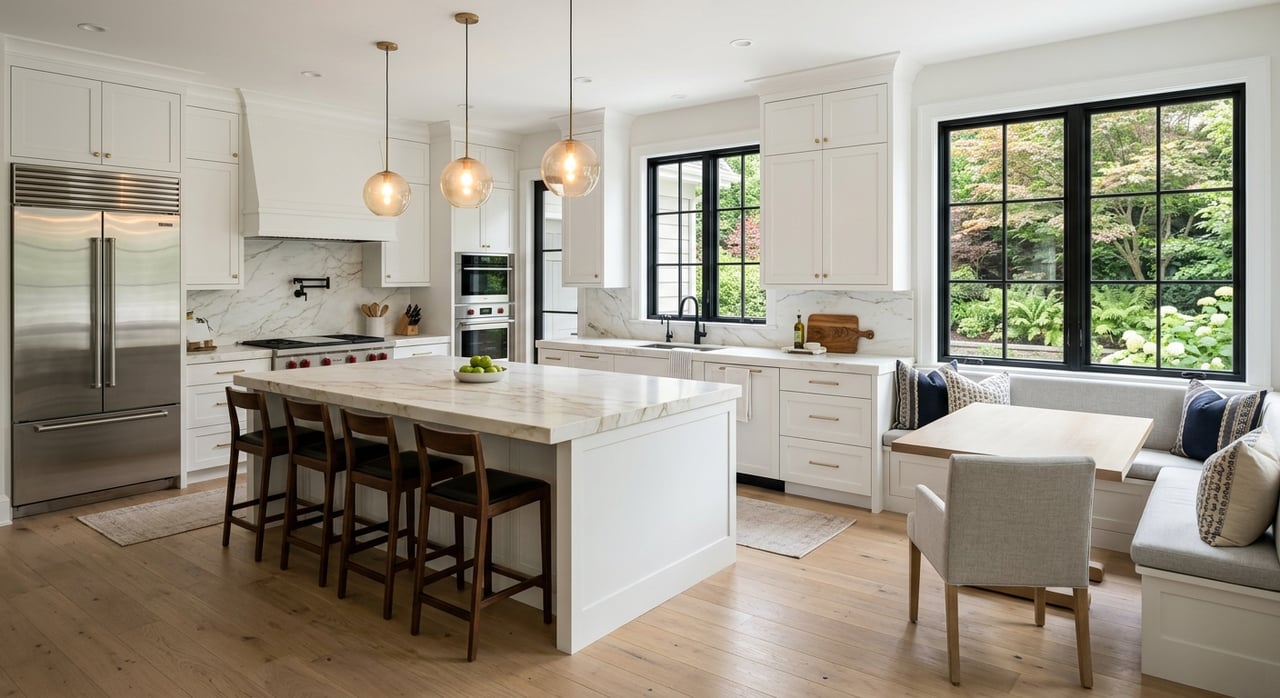
If you are getting ready to sell in Commerce Township, timing matters, but so does preparation. In a market where nearby homes can move in as little as 14 to 21 days, buyers often make decisions quickly, and your home’s condition can shape how confidently they act. The good news is that you do not always need a major renovation to make a strong impression. With the right plan, you can focus on the updates that help your home show well, support disclosures, and reduce surprises once your listing goes live. Let’s dive in.
Start With the Local Market
Commerce Township sits in a competitive pocket of Southeast Michigan, but not every nearby home sells under the same conditions. In May 2026, Redfin reported a median sale price of $499,852 in 48382 with a median of 14 days on market, while 48390 showed a median sale price of $330,652 and 21 median days on market. Both were described as very competitive markets.
That kind of pace tells you something important. Buyers are moving quickly, so the homes that feel clean, cared for, and easy to understand tend to stand out fast. Before you spend heavily, it usually makes sense to focus first on presentation, visible repairs, and records that help your sale feel organized and credible.
Focus on High-Impact Prep First
The most effective pre-sale work is often the least glamorous. According to the National Association of Realtors 2025 staging report, the most common seller-recommended improvements are decluttering, whole-home cleaning, and curb appeal.
Those steps matter because they help buyers picture the home clearly. They also make your space feel better maintained, even before anyone looks closely at systems, permits, or disclosures.
Declutter Every Major Space
Start by removing items you do not need every day. Pack extra décor, off-season clothing, unused kitchen tools, and bulky furniture that makes rooms feel smaller.
NAR also recommends depersonalizing the home before showings. That means putting away personal photos, collections, and highly specific style choices that may distract buyers from the home itself.
Clean Like the Listing Goes Live Tomorrow
A deep clean can have an outsized effect on first impressions. Wipe down surfaces, polish fixtures, clean floors, and pay close attention to kitchens and bathrooms.
Before each showing, clear counters, tidy sinks, and control odors. These are simple steps, but they help your home feel move-in ready, which can be especially valuable when buyers are touring several homes in a short window.
Refresh Curb Appeal
Your exterior sets expectations before a buyer even walks in. Basic cleanup like edging the lawn, trimming shrubs, sweeping entryways, and touching up worn paint can make a big difference.
If you are considering larger exterior projects, pause before starting work. Commerce Township requires permits for many types of exterior work, including siding, roofing, fences, decks above grade, and electrical, plumbing, or heating work tied to the property.
Check Permits Before You Improve
One of the smartest things you can do before listing is confirm that past work was properly permitted and finalized where required. Commerce Township states that a building permit is required before construction, alteration, addition, or demolition of a building or accessory structure.
That also applies to several common seller-prep projects. If you are thinking about replacing siding, repairing a roof, updating a deck, installing a fence, or modifying systems, verify township requirements before work begins.
Don’t Forget Shed and Zoning Rules
Sheds can also trigger review. In Commerce Township, sheds over 200 square feet need a permit, and smaller sheds still require zoning review and inspection.
If you have added an accessory structure in the past, now is a good time to gather the paperwork. Buyers may ask about it, and having records ready can keep your transaction moving more smoothly.
Watch for Floodplain Issues
If your property is near water or in a low-lying area, check whether any part of it falls within the 100-year floodplain. Commerce Township requires a permit for development within the 100-year floodplain and provides flood zone maps and elevation certificate information.
This matters for both planning and disclosure. The township also notes that standard homeowners policies do not cover flood losses, so if flood-related questions come up during the sale, it helps to have accurate property information ready.
Prioritize the Rooms Buyers Notice Most
If you are not staging the whole home, be selective. NAR found that the rooms most commonly staged are the living room, primary bedroom, dining room, and kitchen.
That gives you a practical roadmap. Put your time and budget into the spaces where buyers are most likely to form an emotional impression.
Living Room and Primary Bedroom
These spaces should feel open, bright, and easy to understand. Remove oversized furniture, simplify accessories, and make sure lighting is warm and consistent.
In the primary bedroom, neutral bedding, clear surfaces, and organized closets can help the room feel more restful and functional. You do not need to erase personality completely, but you do want the room to feel broadly appealing.
Kitchen and Dining Area
Clear counters as much as possible. Store away small appliances, extra paper goods, and anything that makes the kitchen feel crowded.
In the dining area, keep the table simple and proportional to the room. A clean, uncluttered setup helps buyers focus on layout and flow instead of objects.
Address Visible Repairs Before Buyers See Them
Fast-moving markets do not erase buyer concerns. Small deferred-maintenance issues can still raise questions about how well the home has been cared for.
Walk through your home with a critical eye. Look for peeling paint, loose hardware, stained caulk, sticking doors, cracked outlet covers, worn grout, burned-out bulbs, and scuffed walls.
Be Careful With Pre-1978 Homes
If your home was built before 1978, lead-based paint rules may apply. The EPA requires sellers of most pre-1978 housing to disclose known lead information, provide available records or reports, share the lead pamphlet, and allow buyers a 10-day period to conduct a paint inspection or risk assessment.
The EPA also warns that renovation, repair, or painting in older homes can create dangerous lead dust. If you are dealing with deteriorating paint, chalky trim, or old window surfaces, use lead-safe methods and handle touch-ups carefully.
Consider a Pre-List Inspection
A pre-sale inspection is often worth considering before your home goes on the market. NAR advises sellers to think about one so they can identify trouble spots before buyers do.
In Commerce Township, this can be especially useful if your home has older mechanical systems, a septic system, a private well, or prior exterior work that may need permit confirmation. Finding issues early gives you more control over how to address them.
Septic and Well Homes Need Extra Attention
If your home is not connected to municipal sewer, septic records matter. Oakland County Environmental Health issues septic permits and inspections, and Commerce Township’s septic inspection form looks at specific conditions such as tank inlet and outlet function, access risers, field saturation, tree roots in the field area, and whether the field is located under structures.
That level of detail is a good reason to be proactive. If you have a septic system, gather pump records and consider whether a pre-list inspection makes sense based on the age and condition of the system.
Water Testing and Environmental Health Records
Oakland County Environmental Health also offers water testing for drinking water and consultation for lead, mercury, and radon concerns in residential housing. If your property has a private well or you have older environmental-health concerns, this can be useful information to organize before listing.
Having records ready does not guarantee a buyer will not ask for more, but it can make your home feel better documented and easier to evaluate.
Assemble Your Seller Packet Early
A smooth listing launch often starts with paperwork. Instead of scrambling once a buyer asks a question, pull together your records before photos and showings begin.
For many Commerce Township sellers, that packet should include:
- Permit finals for prior work
- Septic pump and inspection records, if applicable
- Water test results, if applicable
- The Michigan Seller’s Disclosure Statement
- Any lead records for pre-1978 housing
Understand Michigan Disclosure Requirements
Michigan’s Seller Disclosure Act applies to most transfers of 1 to 4 residential dwelling units. The required disclosures are made on the statutory Seller’s Disclosure Statement and are intended to disclose the condition of the property known by you as the seller.
Completing this carefully matters. Accurate, organized disclosure helps buyers understand the property and can reduce avoidable confusion later in the transaction.
Skip the Big Remodel Unless It’s Truly Needed
Many sellers ask whether they should renovate before listing. In Commerce Township’s current market, the first dollars often go farther when spent on visible repairs, cleaning, decluttering, and light staging rather than a full-scale remodel.
That is not a one-size-fits-all rule. Some homes do benefit from targeted improvements, but if you are deciding where to start, practical updates usually offer the clearest path to a better presentation without overcomplicating the sale.
Build a Plan That Fits Your Home
Every property has its own mix of strengths, condition issues, and record-keeping needs. A newer home with strong finishes may only need cleaning, staging, and minor touch-ups, while an older home with a septic system, exterior additions, or pre-1978 surfaces may need more careful preparation.
The key is not doing everything. It is doing the right things in the right order so your home hits the market looking polished, well-documented, and ready for serious buyers.
When you want a clear strategy for what to fix, what to leave alone, and how to position your Commerce Township home for the market, Craig Minoletti can help you prepare with practical guidance and experienced local insight.
FAQs
What should sellers in Commerce Township do before listing a home?
- Start with decluttering, deep cleaning, curb appeal, visible repairs, and organizing records like permits, disclosures, and septic or water documents if they apply.
Do sellers in Commerce Township need permits for exterior home projects?
- Commerce Township says permits are required for many exterior projects, including siding, roofing, fences, decks above grade, and certain system-related work.
Should sellers in Commerce Township get a pre-list home inspection?
- A pre-list inspection is worth considering, especially if your home has older systems, a septic system, a private well, or past improvements that may need permit confirmation.
What disclosure form do Michigan home sellers use?
- Michigan sellers typically use the statutory Seller’s Disclosure Statement to disclose the known condition of the property for most 1 to 4 residential dwelling unit transfers.
What records are helpful for a Commerce Township home sale?
- Useful records can include permit finals, septic pump and inspection history, water test results if applicable, the Michigan disclosure statement, and lead records for pre-1978 homes.