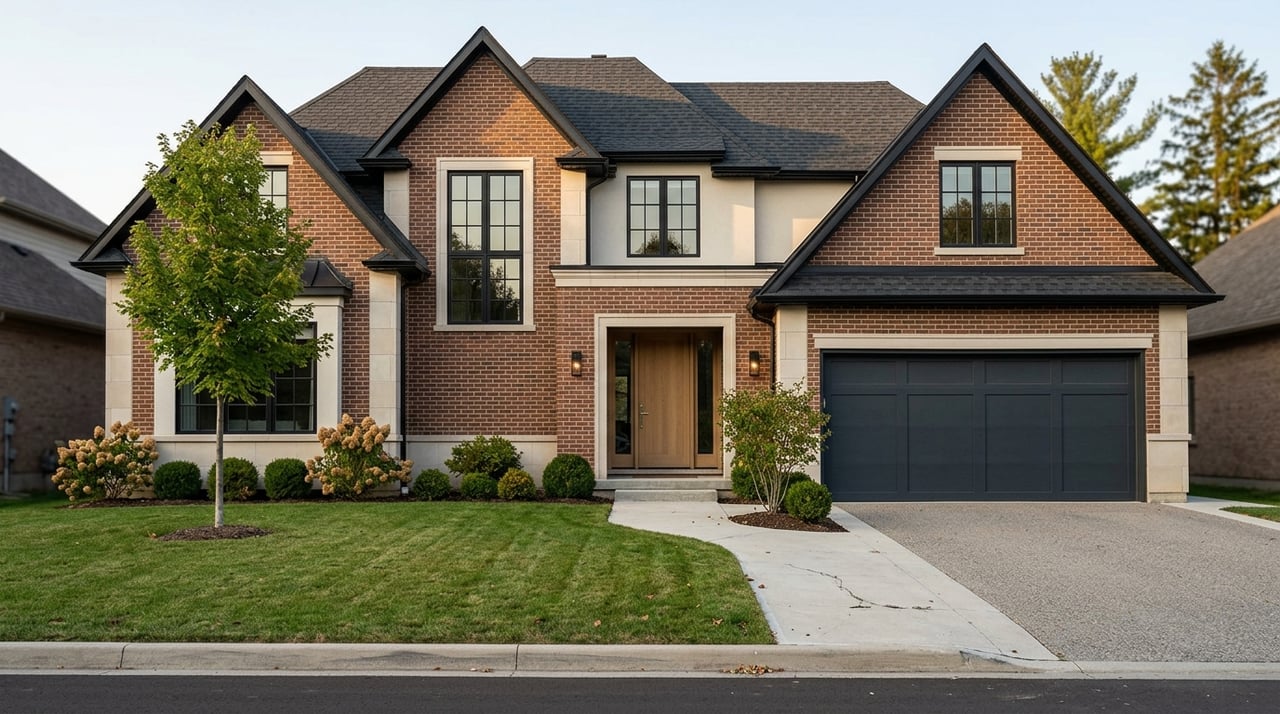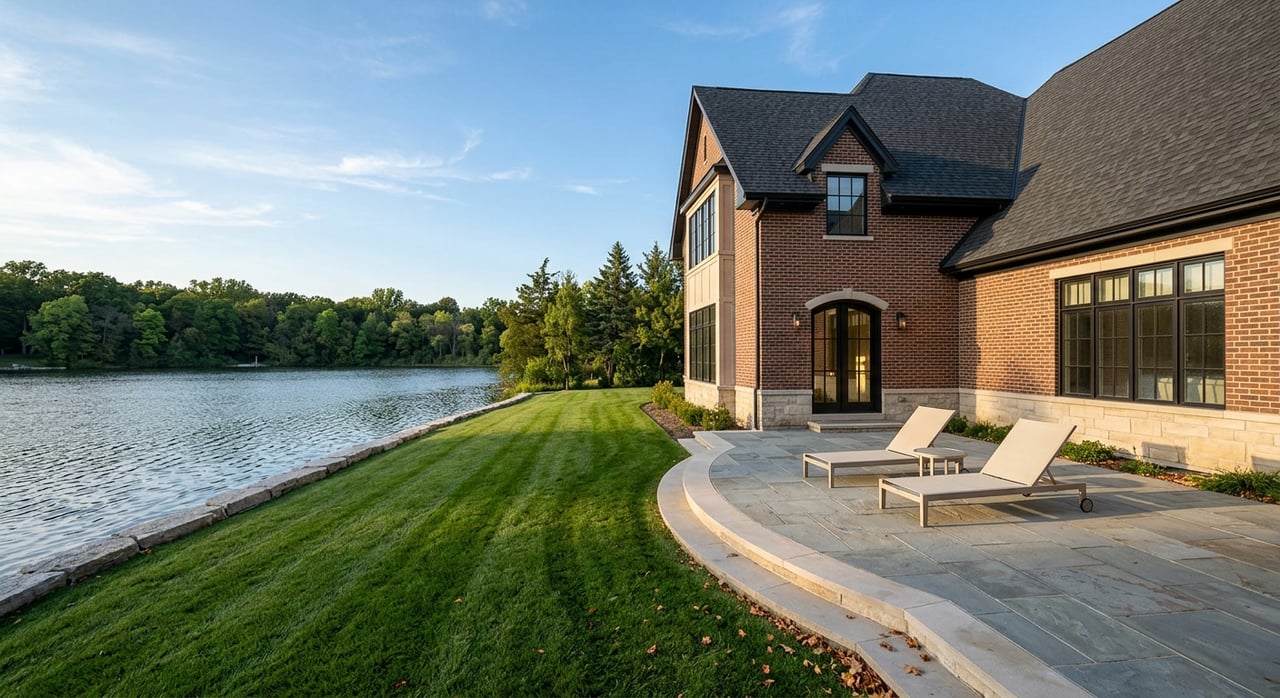
If you are trying to choose between a lakefront home and an off-lake home in West Bloomfield, you are not just comparing views. You are weighing price, upkeep, access, rules, and the kind of day-to-day ownership experience you want. In a community known for its lakes, that choice can shape both your lifestyle and your long-term costs. Let’s break down what matters most.
Why West Bloomfield Makes This Decision Unique
West Bloomfield is closely tied to lake living. Pure Michigan describes it as the lake township of Oakland County, with well-known lakes such as Cass Lake, Pine Lake, and Orchard Lake helping define the area’s identity.
At the same time, West Bloomfield offers plenty to enjoy even if you do not live directly on the water. West Bloomfield Parks manages 12 parks and facilities and nearly 600 acres of public parkland, including spots like Marshbank Park on Cass Lake, Bloomer Park overlooking Middle Straights Lake, Pine Lake Park with a canoe and kayak launch, and the 6.8-mile West Bloomfield Trail.
That combination matters if you are deciding where your money goes furthest. In some towns, living off-lake means giving up much of the lifestyle draw. In West Bloomfield, you can still enjoy strong outdoor access without taking on full shoreline ownership.
Lakefront Homes: What You Are Paying For
Lakefront homes usually command a premium because they are limited and highly sought after. Zillow’s waterfront analysis found that the typical lakefront or oceanfront single-family home had a much higher value than the median single-family home overall, showing how strongly buyers respond to direct water access.
In practical terms, a lakefront property often gives you immediate access to the lake, open water views, and a stronger sense of connection to the setting. For many buyers, that is the whole point. The lake is not just nearby. It becomes part of how you live in the home.
Water quality also plays a role in value. A 2023 national study found that homeowners pay a premium for better lake water quality, and that premium is strongest for homes closest to the water.
That is an important point in West Bloomfield. When you buy lakefront, you are not only evaluating the house itself. You are also evaluating the condition, character, and long-term appeal of the lake tied to it.
Common Lakefront Advantages
- Direct water access
- Water views from the home and yard
- Easier use for boating or shoreline recreation, depending on the lake
- Scarcity that can support strong buyer interest
- A more distinct lifestyle experience tied to the property
Off-Lake Homes: Why Many Buyers Prefer Them
Off-lake homes appeal to buyers who want West Bloomfield’s location and recreation without taking on the full responsibilities of shoreline ownership. You may still be close to lakes, parks, trails, and launch points while keeping the home itself simpler to manage.
This can be especially attractive if you want a more straightforward ownership experience. Based on Michigan EGLE shoreline rules and Oakland County lake-level structures, off-lake homes generally avoid many of the permitting, dock, and lake-level obligations that can come with lakefront ownership.
For many buyers, that simplicity is a major benefit. You can enjoy the township’s outdoor amenities while reducing the number of property-specific issues you may need to monitor over time.
Common Off-Lake Advantages
- Lower operational burden in many cases
- Fewer shoreline-related maintenance concerns
- Potentially lower purchase price than true lakefront homes
- Access to parks, trails, and public recreation in West Bloomfield
- More separation from shoreline activity and dock traffic
The Real Comparison Is Often More Nuanced
In West Bloomfield, the choice is not always as simple as lakefront versus not lakefront. A more accurate comparison is often true lakefront vs backlot lake access vs off-lake with no direct access.
That distinction matters because not all homes near a lake offer the same rights, costs, or resale profile. A backlot home with shared lake access may still come with dues, association rules, or special assessments, even though it is not directly on the shoreline.
Oakland County notes that operating and maintenance costs for lake-level structures are generally paid through a special assessment district, and those assessments can apply to both lakefront owners and backlot owners with lake access. So if a home is marketed as having access, you will want to understand exactly what that means in financial and practical terms.
Lake Rules Can Change the Value Story
Not all West Bloomfield lakes function the same way. One lake may offer a very different ownership experience than another based on access, launch availability, permitted uses, and association structure.
Pine Lake is a good example. The Pine Lake Property Owners Association describes it as a private, all-sports, 395-acre lake with no public boat launches, and says members pay annual dues while the association manages the lake plan and marine patrol.
That kind of structure can influence both cost and desirability. It also shows why broad statements about lakefront value only go so far. In West Bloomfield, you need to look at the specific lake, not just the fact that a home is near water.
Questions to Ask About Any Lake Property
- Is the home true lakefront, a backlot property, or off-lake with shared access?
- Is the lake private or public?
- Are there public boat launches?
- Is the lake all-sports or does it have use restrictions?
- Are there annual dues, HOA costs, dock fees, or lake association charges?
- Are there special assessments tied to lake-level structures or maintenance?
- What rules apply to docks, shoreline work, or waterfront improvements?
Maintenance and Permits Matter More on the Water
One of the biggest differences between lakefront and off-lake ownership is what happens after closing. A lakefront home may require you to think about shoreline conditions, docks, hoists, erosion control, and waterfront improvements in a way an off-lake home usually does not.
Michigan EGLE requires permits for many projects at or near inland lakes. That can include dredging, filling, shoreline hardening, permanent docks or boat hoists, beach sanding below the water line, and other bottomlands work.
EGLE also says natural shoreline treatments should be preferred where possible. Some seasonal private non-commercial docks or hoists may not require a permit if specific conditions are met, but that does not mean every project is simple.
If you are comparing a lakefront home with an off-lake alternative, this is where the ownership experience can diverge quickly. The off-lake option is often easier to plan for because it usually avoids most shoreline-specific approvals and maintenance issues.
Flood Risk Should Be Reviewed Early
Flood risk is another factor that deserves attention before you make an offer. FEMA says flood insurance is separate from homeowners insurance, and lenders can require it in high-risk flood zones.
FEMA also advises buyers to review flood risk even when a property is outside a high-risk zone, because flooding can happen anywhere. For lakefront buyers, that means it is smart to understand insurance expectations and property conditions early in the process.
An off-lake home may still need review, but the issue tends to be especially important when the property sits close to the shoreline. This is one more reason why two homes at similar price points can come with very different long-term carrying costs.
Lifestyle: Daily Experience vs Simplicity
For many buyers, the choice comes down to how you want your home to feel every day. Lakefront homes usually offer the strongest lifestyle appeal through views, direct access, and immediate connection to the water.
Off-lake homes often appeal to buyers who want more simplicity. They may also offer more separation from shoreline activity, boat traffic, and dock movement, which some buyers consider a privacy benefit.
West Bloomfield makes that trade-off easier than many lake communities because the township still offers strong recreation away from private shoreline. You can enjoy parkland, shoreline fishing, canoe and kayak access, and the trail network even if you do not own the waterfront itself.
Resale Depends on the Parcel, Not Just the Category
It is tempting to assume lakefront always has the better resale story, but the reality is more specific. Zillow’s analysis emphasizes the scarcity and appeal of waterfront homes, while the water-quality study shows that value premiums are strongest nearest the shoreline and fade with distance.
That means resale in West Bloomfield is often highly parcel-specific. The lake, shoreline location, access profile, water quality, and ongoing obligations can all influence future buyer demand.
A strong off-lake home in the right surrounding neighborhood may appeal to a much wider buyer pool than a niche lakefront property with higher costs or more restrictions. On the other hand, a well-positioned lakefront home on a desirable lake may deliver a lifestyle and market appeal that is hard to replicate.
How to Decide Which Option Fits You
If you are choosing between lakefront and off-lake in West Bloomfield, start by getting clear on your priorities. Ask yourself whether you are paying for everyday use of the water or simply the idea of being near it.
Lakefront may be the right fit if you value direct access, views, and a property that feels distinct and limited. Off-lake may be the better choice if you want easier ownership, more budget flexibility, and access to the area’s parks and recreation without the same shoreline obligations.
The smartest move is to compare homes through both a lifestyle lens and a property-analysis lens. That means looking closely at access rights, association structure, possible assessments, permit needs, and future resale on that specific lake or in that surrounding neighborhood.
When you want practical guidance on how a West Bloomfield lakefront or off-lake home fits your budget, goals, and long-term value, Craig Minoletti can help you evaluate the details with clear, experienced advice.
FAQs
What is the difference between lakefront, backlot, and off-lake homes in West Bloomfield?
- A lakefront home sits directly on the water, a backlot home may have shared lake access without direct shoreline frontage, and an off-lake home may be near the lake but have no direct access rights.
Do West Bloomfield off-lake homes still offer outdoor recreation access?
- Yes. West Bloomfield has parks, shoreline recreation areas, a canoe and kayak launch at Pine Lake Park, and the West Bloomfield Trail, so many off-lake homes still offer strong access to outdoor amenities.
Do West Bloomfield lakefront homes usually cost more than off-lake homes?
- In general, waterfront homes tend to command a premium because they are scarce and highly desired, but the actual price gap depends on the lake, the lot, the access profile, and the home itself.
Do West Bloomfield lake properties come with extra rules or permits?
- They can. Michigan EGLE requires permits for many shoreline and bottomlands projects, including certain docks, shoreline hardening, dredging, filling, and beach sanding below the water line.
Can off-lake homes in West Bloomfield still have lake-related fees?
- Yes. Oakland County says special assessment costs for lake-level structures can apply to both lakefront owners and backlot owners with lake access, so shared-access homes should be reviewed carefully.
Should you check flood insurance needs for a West Bloomfield lakefront home?
- Yes. Flood risk should be reviewed early because flood insurance is separate from homeowners insurance, and lenders can require it in high-risk flood zones.